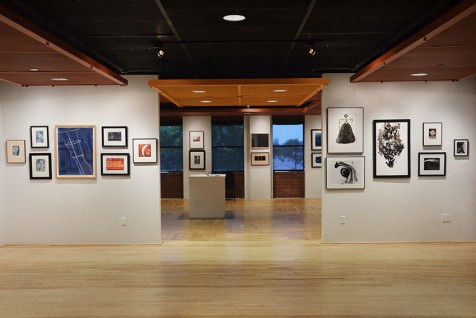
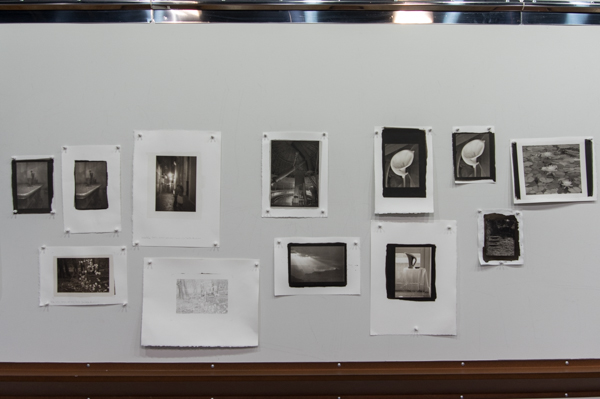
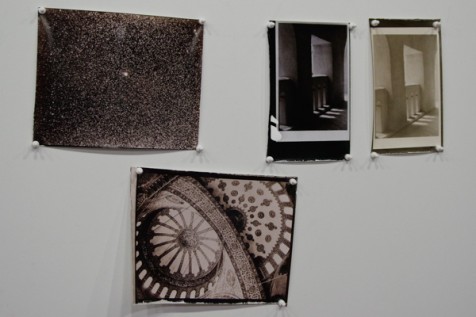
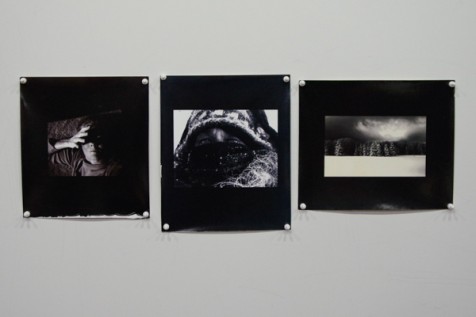
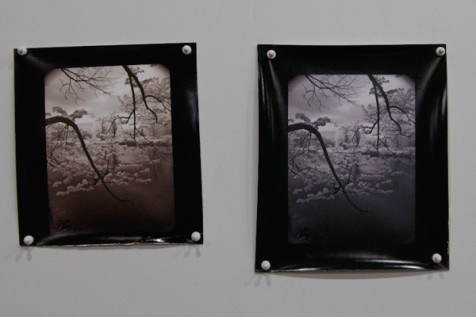
Art Intersection presents Light Sensitive, an annual juried exhibition of images created using traditional and alternative photographic processes. Past work has included analog c-prints, platinum, cyanotype, gelatin silver, gum bichromate, wet plate collodion tintypes, chemigrams, and other printing processes. We are honored this year to have Susan Burnstine as the juror for Light Sensitive.
The Art Intersection curatorial staff will select three artists from Light Sensitive to show additional work during the (re)View exhibition in December 2016.
Click here: Light Sensitive 2016 to view the PDF document Light Sensitive 2016 Submission Guidelines
Important 2016 Dates
January 11: Application and JPEG submissions due
January 23: Notification of selected work
February 20: Selected work due at Art Intersection
March 5: Opening reception from 6 – 8pm
April 16: Exhibition closes at 6pm
About the Juror
Susan Burnstine is an award winning fine art and commercial photographer originally from Chicago now based in Los Angeles. Susan is represented in galleries across the world, widely published throughout the globe, teaches workshops internationally and has also written for several photography magazines, including a monthly column for Black and White Photography Magazine (UK).
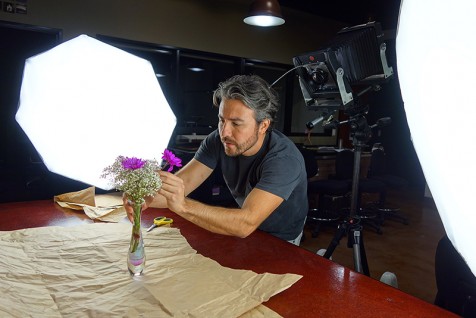
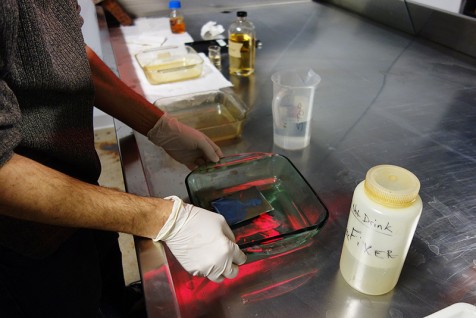
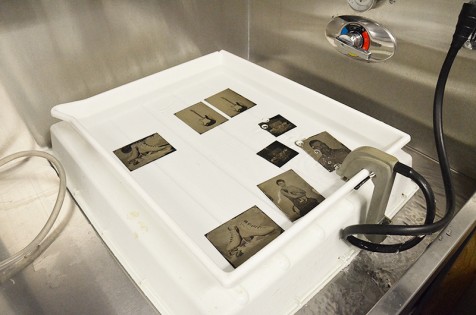
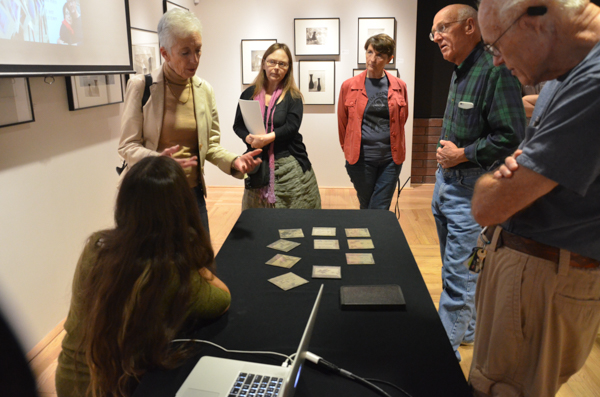
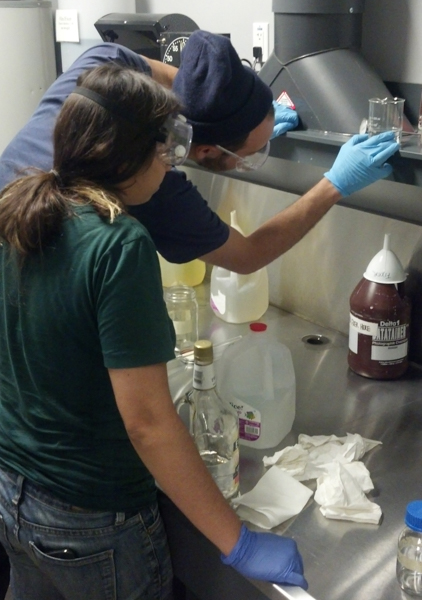
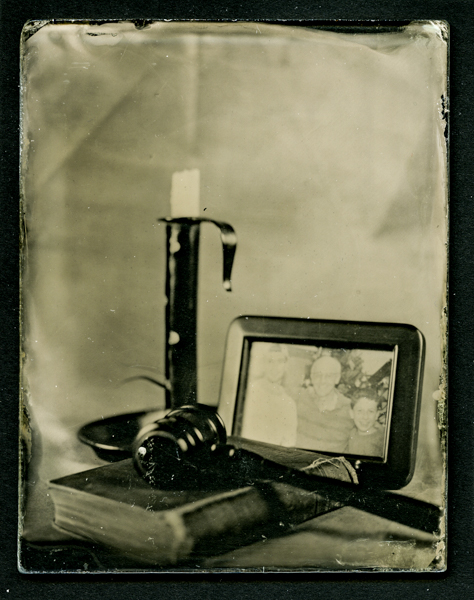
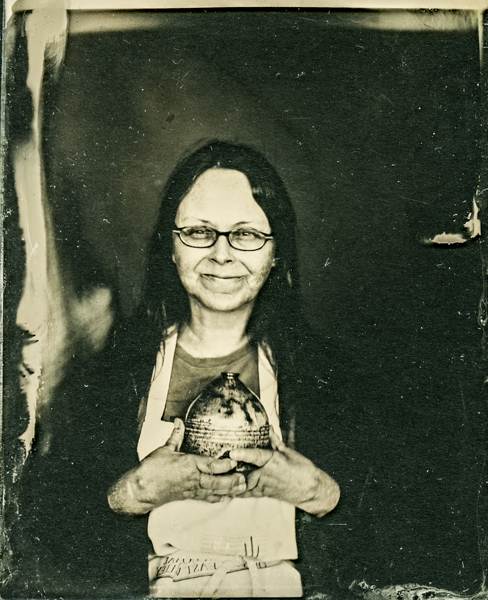
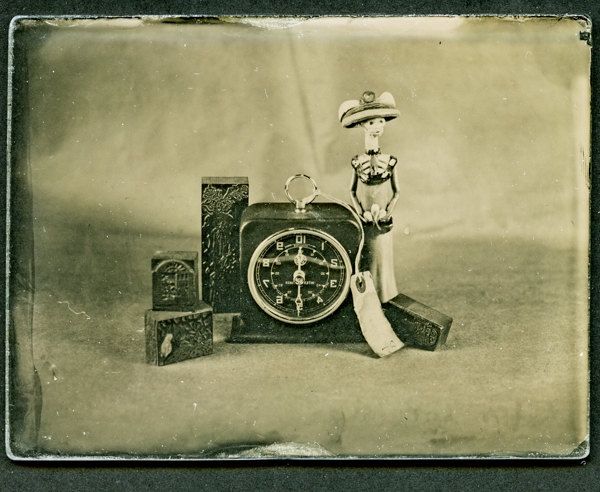
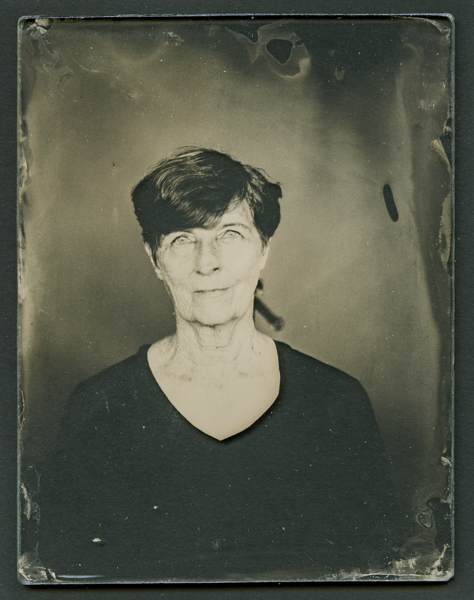
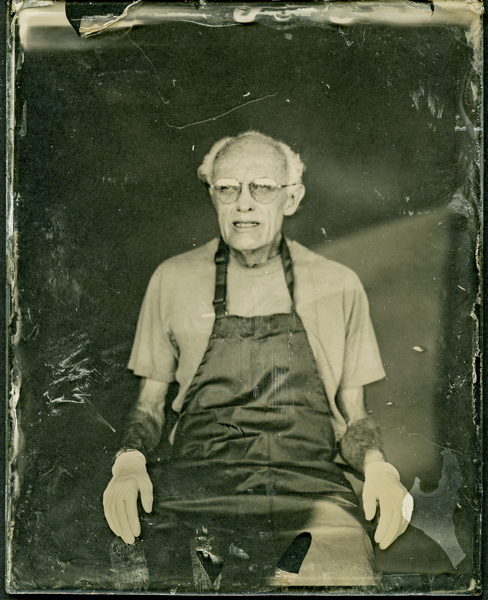
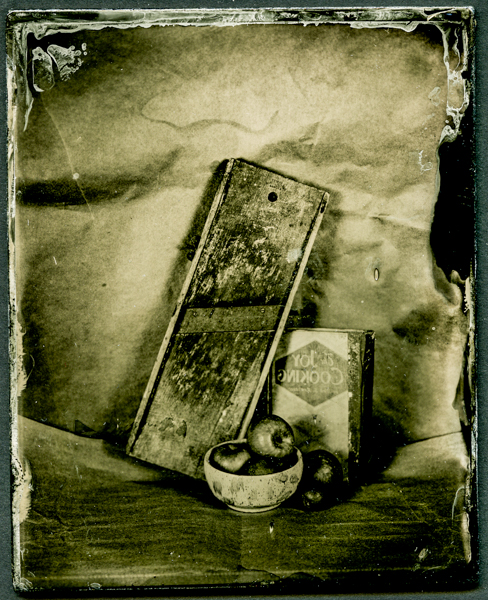
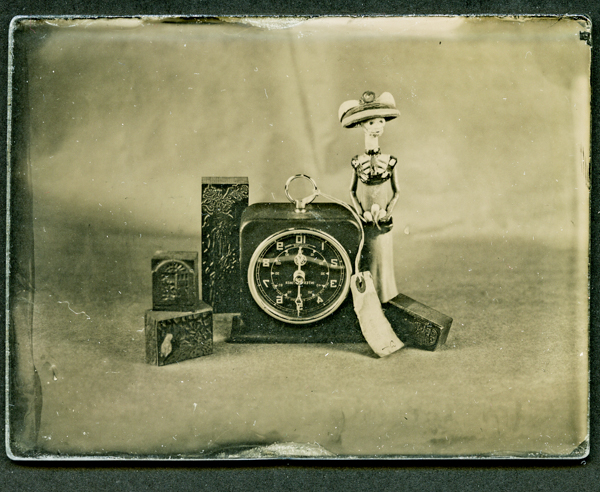
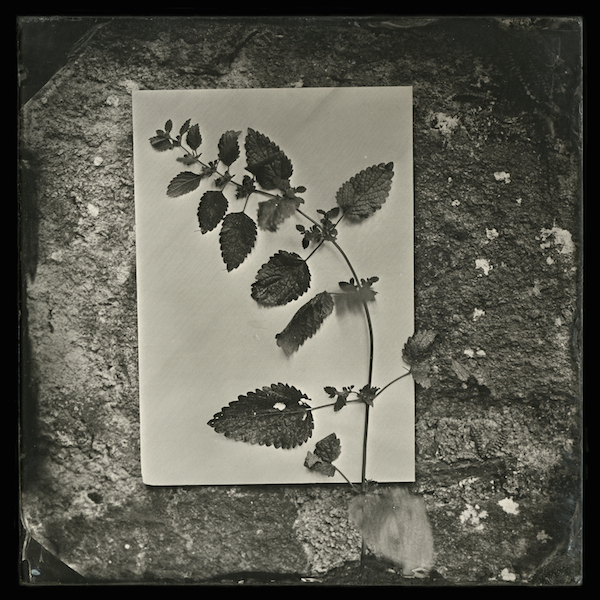
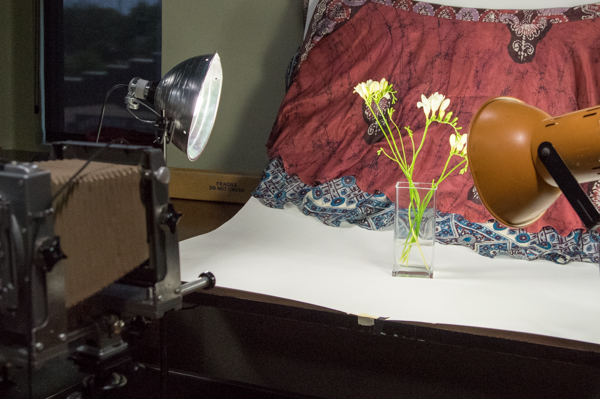
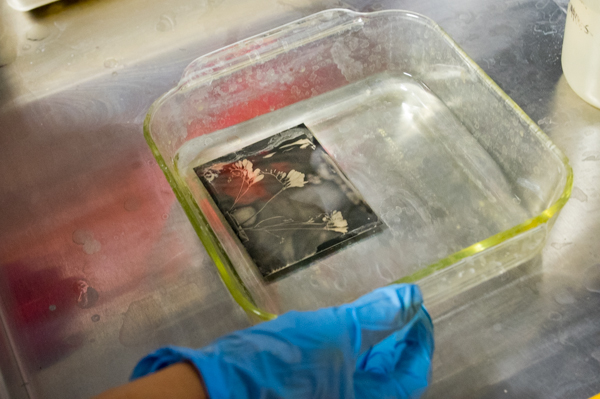
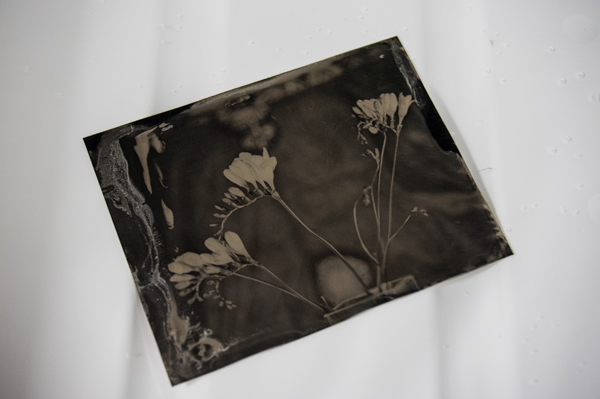
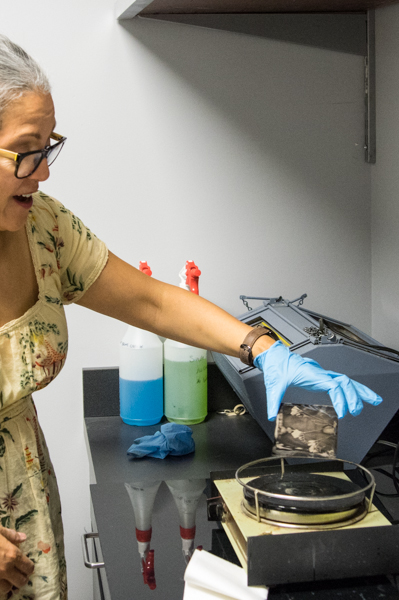
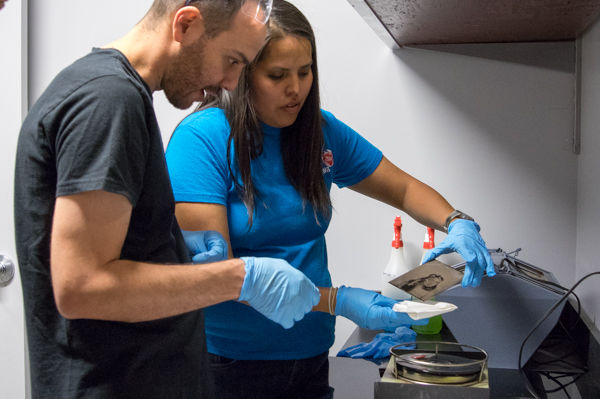
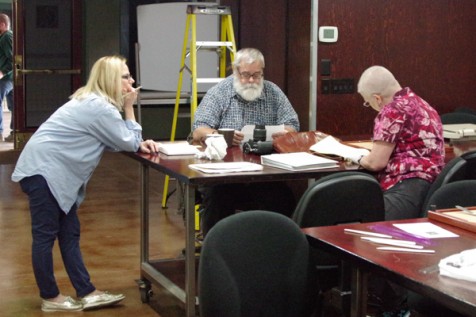
A couple of weeks ago, Art Intersection hosted a Wet Plate Collodion Tintype Workshop and Open Studio! Students were led by David Emitt Adams and assisted by Claire A. Warden, both experts in this captivating 19th century process. Wet plate collodion was among the first widely-used photographic processes, used predominantly during the Civil War era. The nature of the process requires that collodion be hand-poured on a blackened metal plate, sensitized with silver nitrate, and exposed, then back into developing and fixing baths before the coating dries – hence the process’s name. During the workshop, students got individualized help with their coating, exposure, and processing. The following day, artists attended the open studio for a chance to try the process on their own; David and Claire were on hand to help as needed.
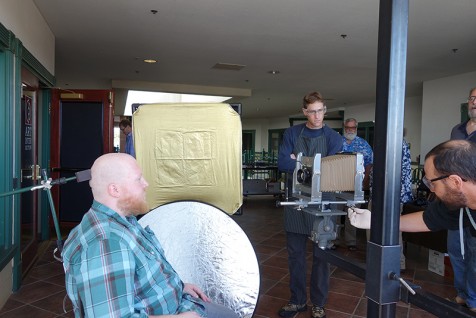
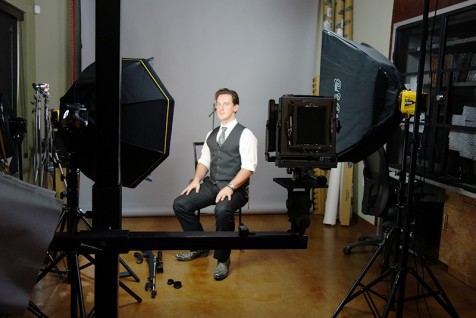
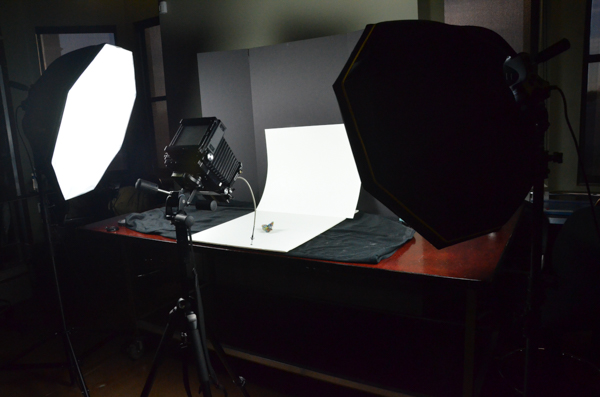
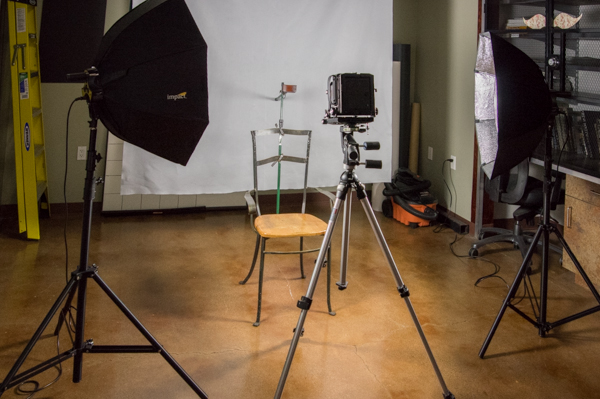
For a proper exposure, wet plate collodion requires either very bright light or a long exposure. David has rigged a special chair designed to help portrait sitters keep very still during the exposure time of 6-8 seconds, much like the chairs and props 19th century photographers used.
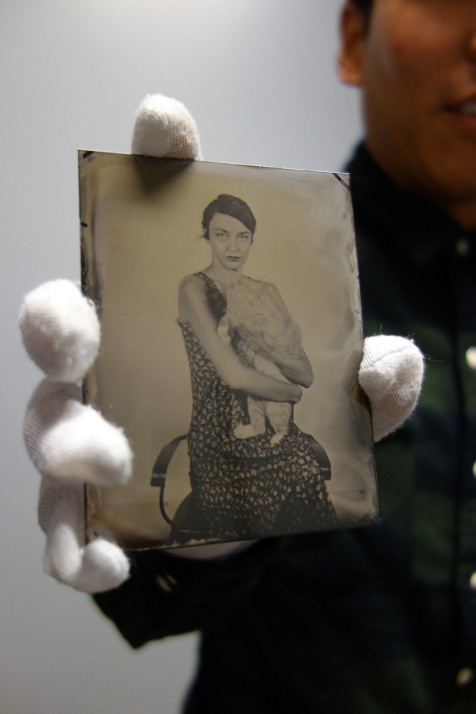
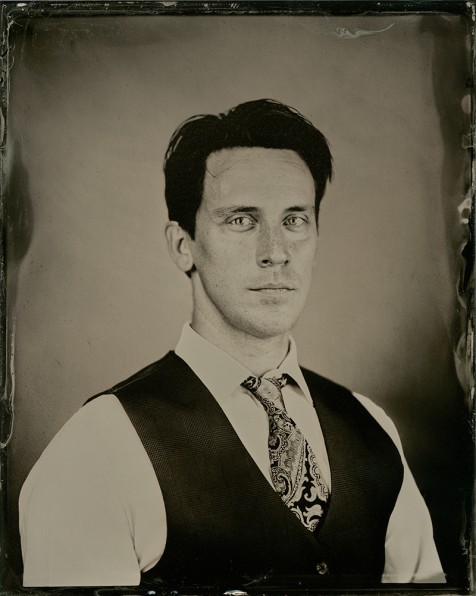
The following weekend, David and Claire returned to take wet plate collodion studio portraits! Couples, families, and individuals made appointments to have their picture taken, 19th-century-style.
Art Intersection presents Light Sensitive, an annual juried exhibition of images created using traditional and alternative photographic processes. Past work has included analog c-prints, platinum, cyanotype, gelatin silver, gum bichromate, wet plate collodion tintypes, chemigrams, and other printing processes. We are honored this year to have Susan Burnstine as the juror for Light Sensitive.
The Art Intersection curatorial staff will select three artists from Light Sensitive to show additional work during the (re)View exhibition in December 2016.
Click here: Light Sensitive 2016 to view the PDF document Light Sensitive 2016 Submission Guidelines
Important 2016 Dates
January 11: Application and JPEG submissions due
January 23: Notification of selected work
February 20: Selected work due at Art Intersection
March 5: Opening reception from 6 – 8pm
April 16: Exhibition closes at 6pm
About the Juror
Susan Burnstine is an award winning fine art and commercial photographer originally from Chicago now based in Los Angeles. Susan is represented in galleries across the world, widely published throughout the globe, teaches workshops internationally and has also written for several photography magazines, including a monthly column for Black and White Photography Magazine (UK).
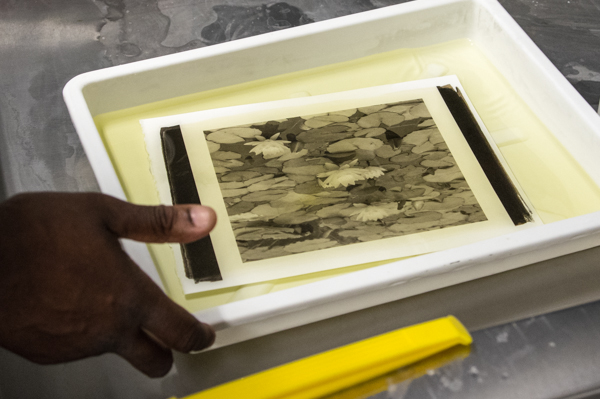
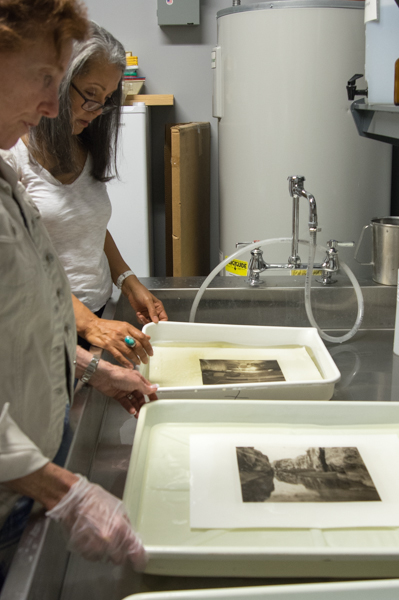
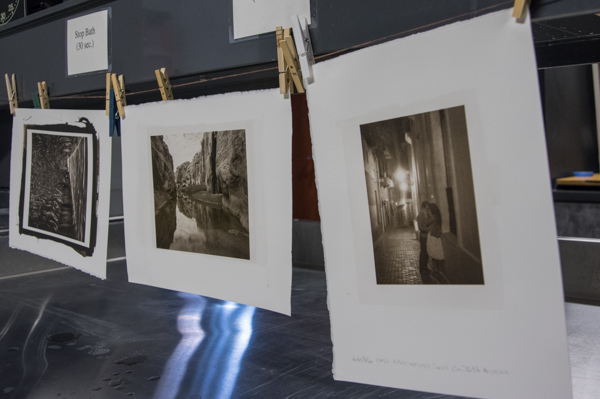
The platinum/palladium process is one of the most beautiful and archival processes, and in this workshop, you will create platinum/palladium prints from your images. Ryuijie will teach a one day workshop about this luminous 19th century process in the Art Intersection Photographic Arts Lab and the participants will take home two to three prints of their images.
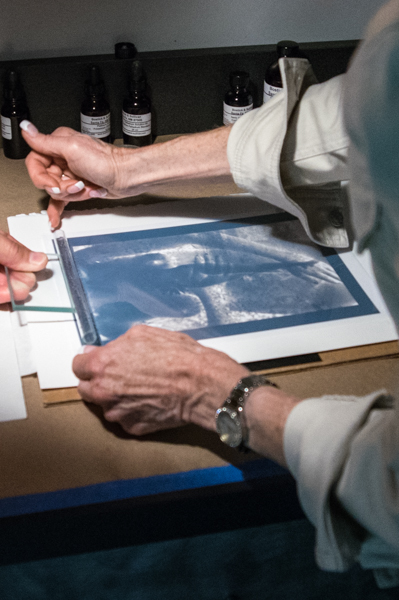
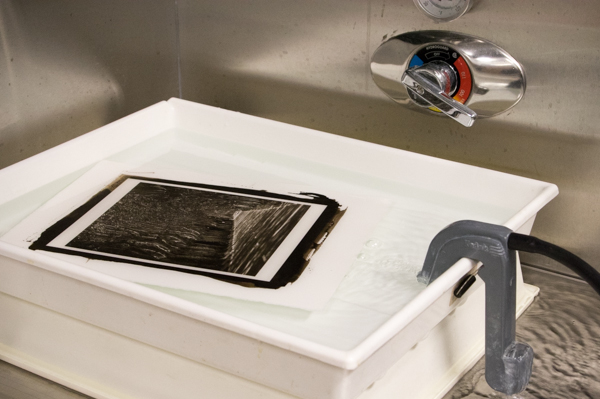
As a participant, you will send digital files of black and white images to us and we will create a digital negative adjusted for Ryuijie’s process. You will hand-coat fine art paper with the light-sensitive solution and expose the sanitized paper through your digital negative using one of our UV light sources. After processing the exposed paper, you will have your photograph on a platinum/palladium print.
Before the workshop, learn more about your instructor and get a preview of the platinum/palladium process! Ryuijie will give a free lecture on his artistic practice on Friday, October 30 from 6:30 – 8pm. Click here to learn more.
Registration for this workshop is now full. To be added to a waiting list in the event that space becomes available, please email info@artintersection.com or call 480-361-1118.
Ambrotype images, a collodion process on glass, have a unique and beautiful aesthetics that makes this a very exciting in-camera, alternative photographic process.
Claire A. Warden led us through the history and technology of this process during a 3-day workshop that began with a lecture and ended with an open studio where the workshop students created their own Ambrotypes.
The Art Intersection Staff selected three artists from eighty-nine artists in the Light Sensitive exhibition, our signature traditional photography exhibition, to have their own exhibition called “Best of Light Sensitive 2014”. This year Tom Persigner, photographer, writer, and the founder of F295, juried Light Sensitive and selected work for the exhibition in March and April, 2014. Images from Light Sensitive 2014.
Douglas Collins – I make photographs without using a camera – or, in the case of these works, without even a darkroom. In my work I reject accepted forms of photographic meaning, but try instead to create moments of lucidity through a meditation on form and intention. This tends to minimalistic results, and the pictures are often purified of all but essential structure. I set my own rules but often live by violating them. In place of traditional approaches I invest in a deep contemplation on the physical materials of the photographic act itself, in the tradition of Fox Talbot. I live and work in New York City.
These works are chemigrams, a type of photographic art made without a camera and without a darkroom. In this process, black and white photographic paper is exposed to daylight and then is coated with a varnish, which functions as a resist. By soaking the paper in fixer and developer alternately, the resist is gradually lifted, and color is created by the physical effects on silver grains in the emulsion that result from a certain rhythm of soaking. The artist may intervene, attacking the paper with knives, sticks, or hands to induce additional imagery. The process has antecedents going back to the origin of photography.
Mary Donato – Following my retirement in 2006 after 30 years as a research geologist, I began to explore photography and printmaking as ways to satisfy both my analytical and creative impulses. I have no formal training in fine art or photography, nor was I given a vintage camera by an aging relative when I was a child. Nevertheless, I consider myself a fully-engaged amateur photographer and printmaker who combines 21st-century digital devices with 19th-century printing processes to create handmade photographic images.
I am compelled to explore the ephemeral beauty of everyday life, sometimes in deliberate compositions, but more often in incidental situations. These prints display a range of scale and chroma. They represent my efforts to convey a mood or a visual idea, and nothing more. Producing unique prints by hand seems the perfect approach for such imagery.
Erin K Malone – Located in San Francisco, California, Erin Malone spends her days as a User Experience Design Consultant while wishing she was out in the field with her cameras. She received her first camera at 10 and taking it to Girl Scout camp, she promptly left it behind.
A few years later and being much more responsible, she purchased her first manual SLR. Photo classes in high school and serving on the newspaper as a photographer, began her foray into “real” photography.
Coming full circle, Erin primarily works with film, vintage, plastic and lensless cameras and in historic and alternative processes.
Erin’s photos have been shown in group and juried exhibitions across the United States, they have won several awards and are in a few collections, including the Museum of Fine Art, Houston. Her work has been featured in publications such as B&W Magazine, Diffusion, Light Leaks and San Francisco Magazine and the San Francisco PBS produced program KQED Quest.
About the Juror
Tom Persinger is a photographer, writer, and the founder of F295. His photographs have been shown in numerous exhibitions and are in private collections in the United States, Europe, and Japan. His work has been featured in many publications, including Afterimage, Ag, Photo.net, View Camera, and many books on photographic technique and processing.
Persinger has lectured at colleges and universities, leads hands-on workshops, and is a member of Freestyle Photographic’s Advisory Board of Photographic Professionals. His first book Photography Beyond Technique: Essays from F295 on the Informed use of Alternative and Historical Photographic Processes will be released by Focal Press/Taylor and Francis in Spring 2014.
He is especially interested in contemporary photography that considers in its manufacture the intersections of process, subject, and content and the work that can be created in that exciting intersection. He lives in Pittsburgh, Pennsylvania, with his wife and two sons.
Learn the basics of the wet plate collodion process using glass as the substrate, and create two direct positives images!
Students in this workshop, led by Claire Warden, will go through the process of cleaning glass plates, coating the plates with collodion, sensitizing, exposing, processing and varnishing the final image.
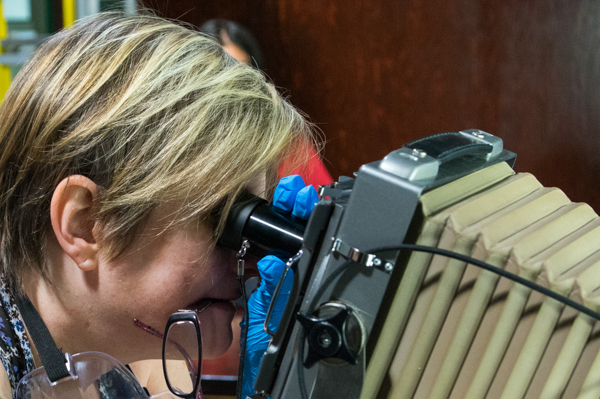
Images will be captured on 4″ x 5″ plates using a large format camera in the lab, and all materials are included to create two ambrotypes.
Recently, Claire spent a summer creating ambrotypes in Lehon, France, and she brings her wet glass plate collodion experience to this workshop.
The Friday preceding the workshop, Claire will give a free to the public lecture about ambrotypes and her experience in Lehon.
On Sunday, following the Saturday workshop, Claire will be on-hand in the lab to assist with the anyone wishing to make additional glass plate images.
Mid-ninteenth century tintype photography is experiencing a resurgence as photographers look for a unique aesthetic for portraiture and still life images.
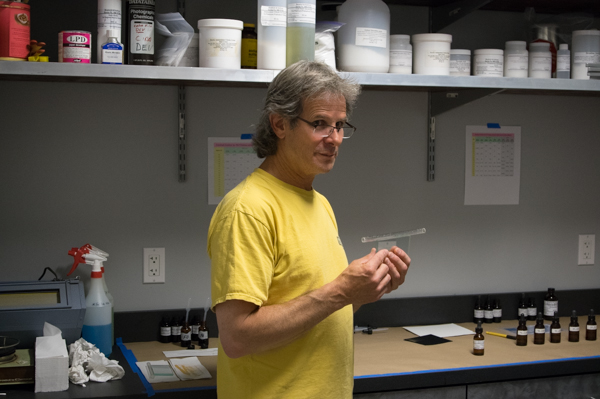
David Emitt Adams led the weekend of tintype creativity starting with a free lecture on Friday evening, the all-day workshop on Saturday, and an open studio on Sunday.
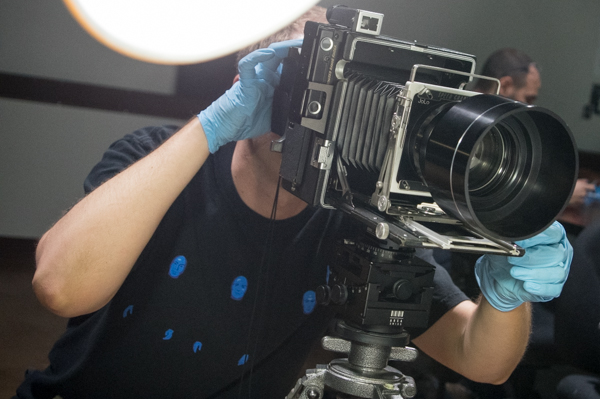
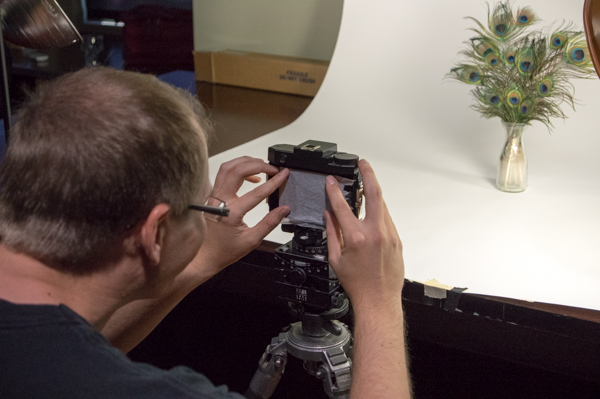
Two stations with 4×5 cameras were setup, one for still life props and the other for portraits.
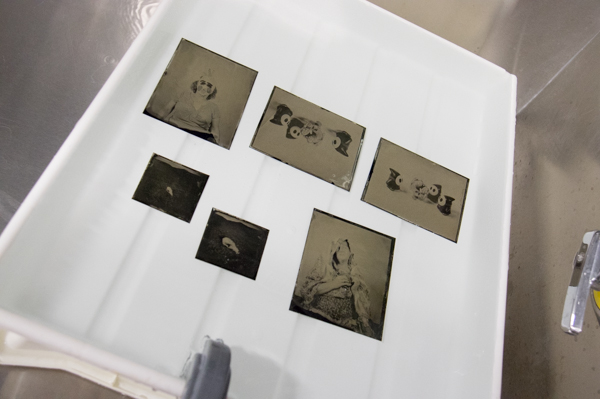
After the developer.
In the final wash before varnishing.
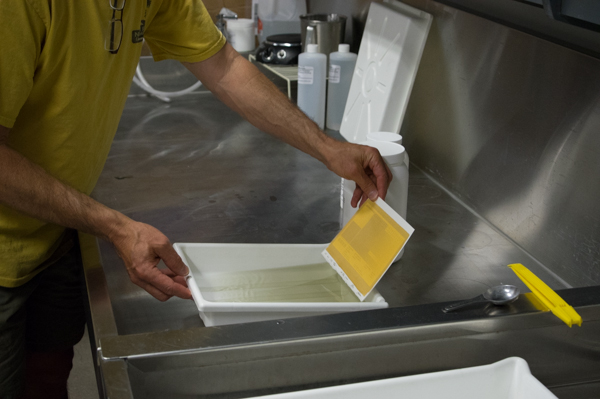
Warming up the plate before applying the varnish.
Exposures of 15 to 20 seconds require sitting very still – the head brace helps!
Pouring off the excess varnish of a portrait tintype.
Making sure everything is properly focused.
Here is a Graflex 4×5 with an aerial lens.
The next setup was a modified Holga and the tissue paper was used like a ground glass plate to check focus.
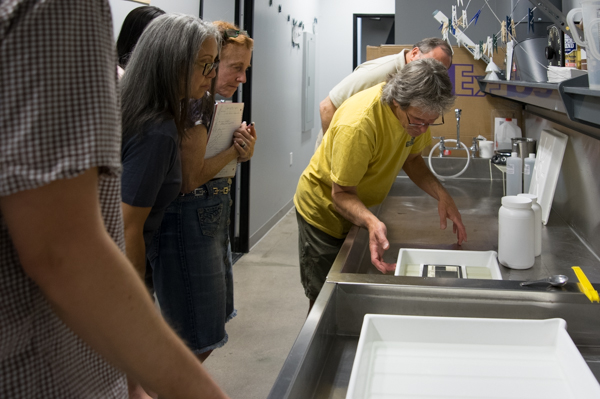
Starting Friday evening and working through Sunday, the workshop students learned about creating digital negatives for platinum/palladium, chemistry, and then made prints in the alt process lab.
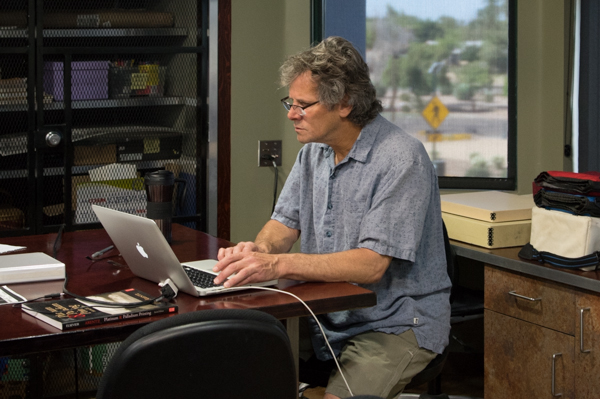
Keith shared his expertise with the class and showed the process he uses to make palladium and platinum prints. You may remember Keith’s work on exhibit in the North Gallery along with Dick Arentz this past January and February during the Art Intersection Platinum/Palladium exhibition.
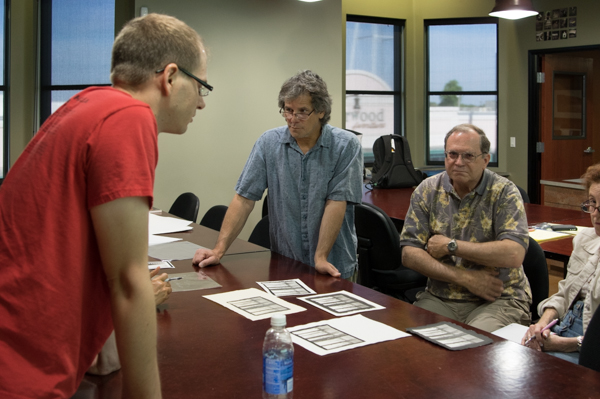
Checking the first digital negatives for densities and checking exposure times.
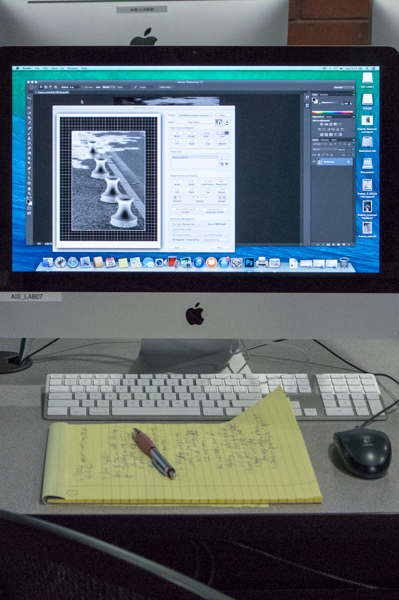
Keith concentrating on building and explaining digital negatives and Quad Tone RIP.
Discussing paper choices.
Ready to print.
Coating Arches Platine with a glass rod.
Time to expose.
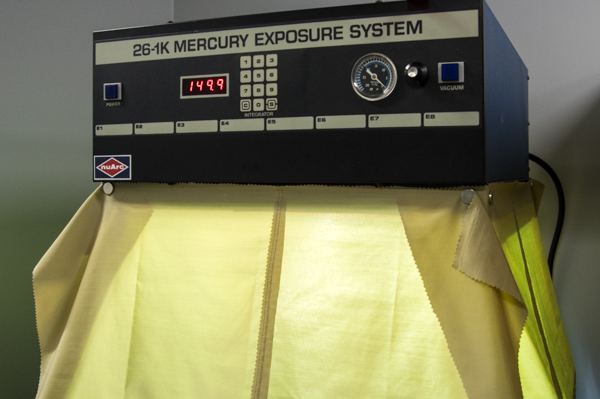
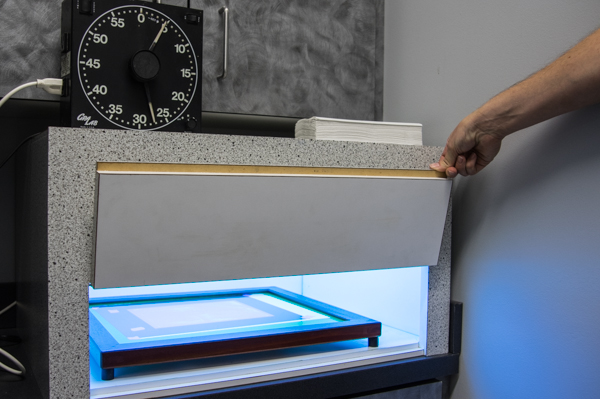
High tech or low tech, it’s all about UV light.
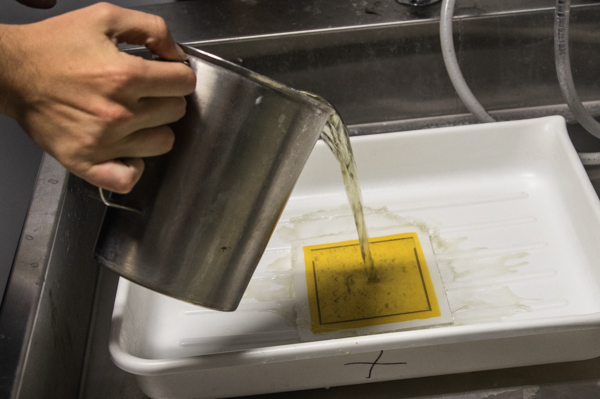
Pouring on the developer.
Trying the cold tone developer.
Clearing.
In the final wash.
Final prints drying before going to the critique wall.
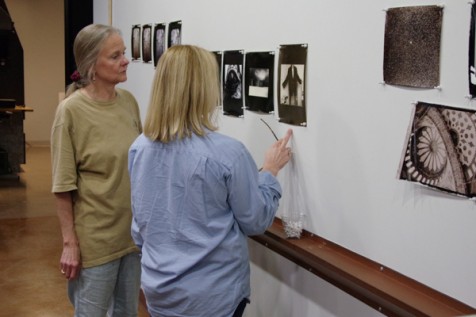
Some of the dry prints on the critique wall. Others were still too wet to show by the end of the workshop.
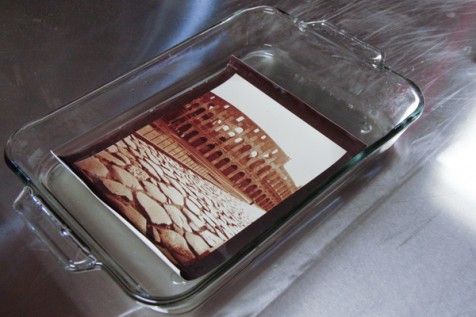
Beautiful and creative images were made this weekend using hand coated printing out paper. Friday night Siegfried gave a lecture, followed by two days of making prints using Printing Out Paper.